Oleg Zaytsev has tuned hundreds of cars on a wide range of engines and ECUs. They include championship and event winners in drift, drag racing and other disciplines, as well as many builds over 1,000 PS.
Engine design and on-track behaviour
Displacement, compression, rotating assembly geometry, cams, turbo, intake, exhaust and fuel system all influence what an engine can do. We bring that knowledge to the calibration because we've built engines ourselves and evaluated different combinations on the dyno and in competition.
The Mitsubishi 4G63/4G64 family is a good example. Oleg assembled and tested combinations of blocks, crank strokes, pistons, rod lengths, compression ratios and cams. That experience helps us evaluate a build before you spend money on parts.
For a 1,000 PS Toyota 2JZ, for instance, we'd talk through spool and boost response, the usable rev range, fuel, transmission and how the car will be driven. Those requirements guide both the parts selection and the calibration.
Tune for the job the car has to do
On a road car, start quality, smooth throttle response and everyday drivability matter. Drift calls for controllable torque and response, drag racing for launch and acceleration. On long runs, how the engine behaves once it is hot and under sustained load becomes especially important.
We agree on those priorities and review the hardware before working through the calibration and measurements. We can also help refine an existing build with inconsistent running, a boost response issue or a planned hardware upgrade.
Engines, ECUs and fuels
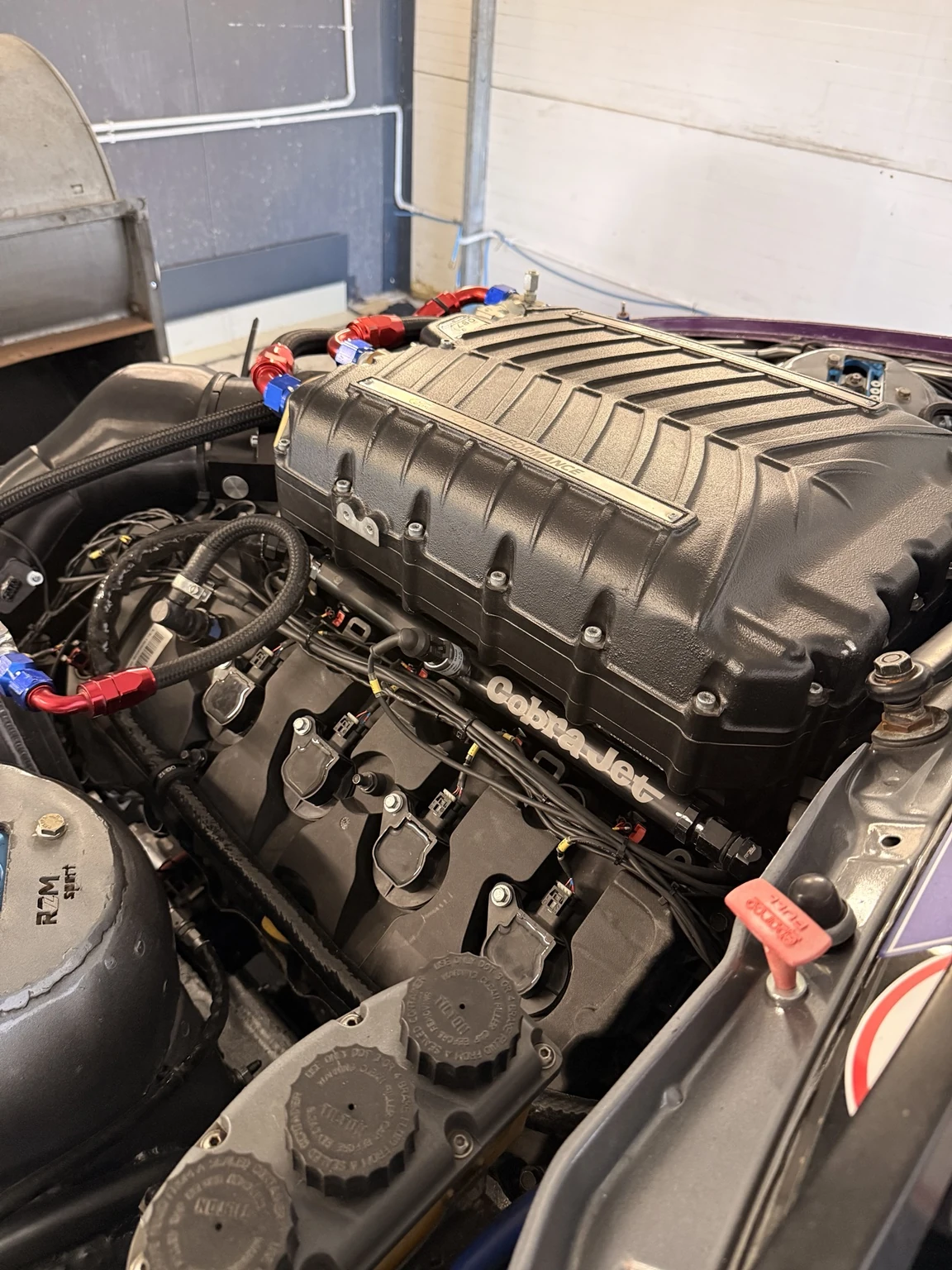
Our hands-on experience includes Nissan GT-R R35 / VR38DETT, Toyota 2JZ, BMW B58 and S58, Mitsubishi 4G63/4G64 and Ford V8s in road and competition configurations.
We work with MoTeC, Syvecs, Emtron, Link ECU, Vi-PEC and ECUMaster, and with factory ECUs through HP Tuners, COBB and EcuTek. We also consider projects using other systems. We have calibrated engines on a range of fuels and take fuel choice, delivery capacity and intended use into account.
Where we can help
- Engine configuration. Choose components to suit the intended use, output and power delivery.
- ECU setup and first start. Configure sensors, actuators and engine synchronisation, then prepare the base settings for start-up.
- Engine calibration. Tune fuelling, ignition, boost control and other functions available on the selected ECU.
- Drivability. Refine idle, transients and response to throttle inputs and changes in load.
- Motorsport functions. Set up power modes, launch control, traction control, boost by gear and engine protection where the hardware and project allow.
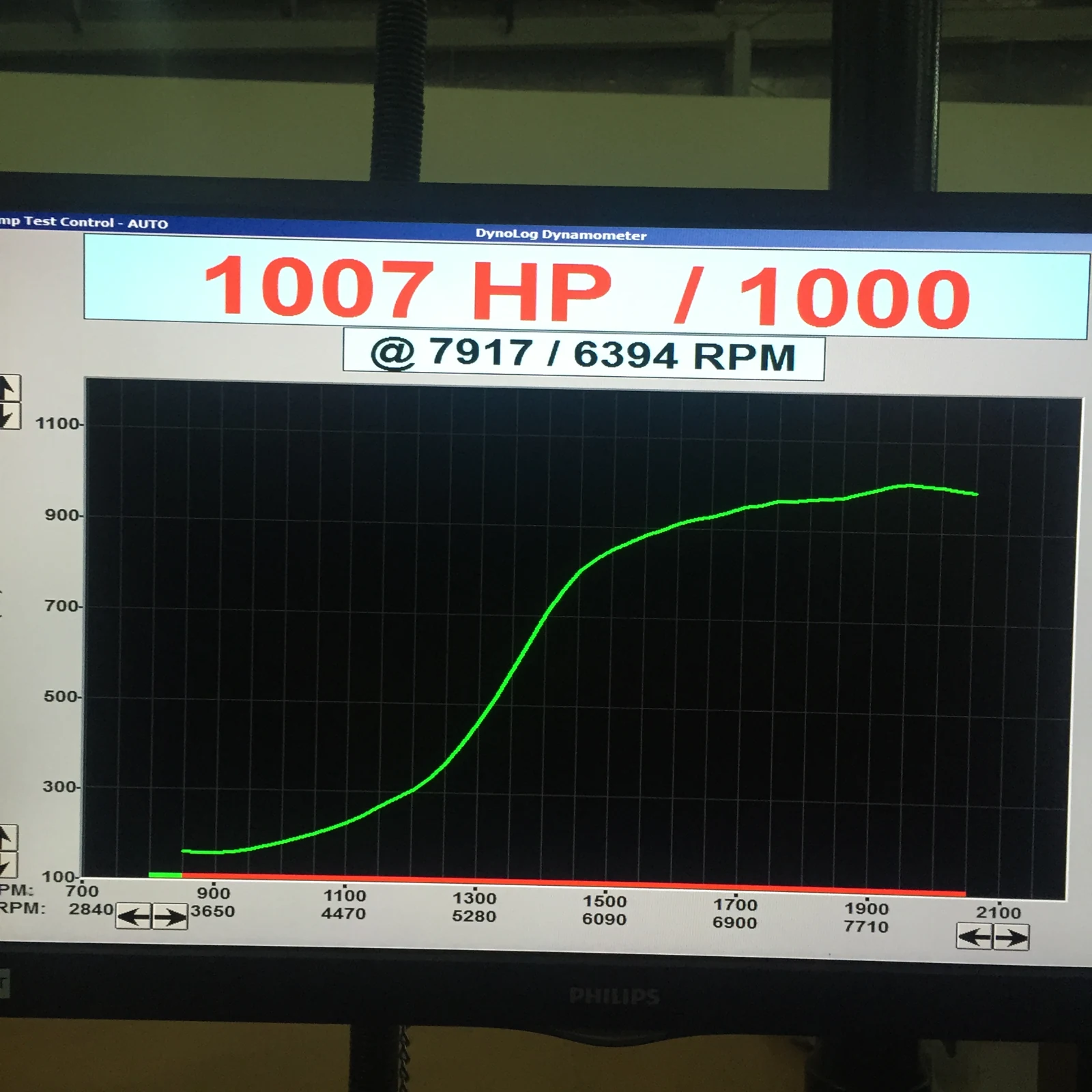
- Further development. Analyse dyno and track logs, adjust the calibration after hardware changes and support further testing.
A partner for workshops and race teams
We can join at planning, assembly, first start or later development. We'll help match the engine hardware to the control system, prepare the necessary measurements and plan the calibration.
We also work remotely with your on-site specialists. Your team provides access to the vehicle and handles on-site checks and testing. We handle calibration and data analysis. That lets us support builds in other cities and countries.
Engine work beyond cars
Our experience also includes engines for aerial platforms and special-purpose engine installations. Changing ambient pressure and air density at altitude affect fuel delivery and ignition requirements. We have worked with both electronic calibration and mechanical fuel regulation for those conditions.
Tell us what you want from the engine
Tell us about the engine, vehicle or equipment, the ECU and how it will be used. Include your power target and what matters most about the way it should run. A brief, a parts list or an existing build is enough to start. If you have logs or dyno runs, send them along. We'll assess the starting point and plan the next steps.